

Why DOD’s network agency is SATCOM-curious
The Defense Information Systems Agency is experimenting with multiple satellite communications providers as it works to make the network more resilient.


The Pentagon’s brewing a build-a-cloud program for defense agencies
The young platform, dubbed Olympus, is designed for self-service commercial cloud needs.


There’s ‘still more work to be done’ for DOD on AI
The Pentagon has started to use the technology, but challenges lie ahead.


The Navy is embedding info-warfare chiefs in recruiting commands
It’s part of a new initiative to attract and retain young tech talent.
Air Force adds two EW squadrons
The new squadrons will focus on software capabilities and defending against spoofed signals.


Air Force picks the builder of its next Doomsday planes
Sierra Nevada gets a $13 billion contract to replace the E-4B Nighthawk by 2036.

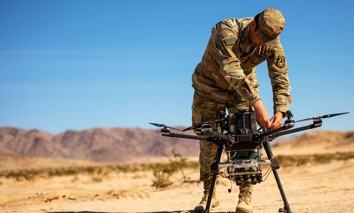
The Army is trying to identify all the obstacles to adopting AI in 100 days
Launched in March, the effort is looking at poisoned datasets, adversarial attacks, Trojans, and more.


Doctors prefer Pentagon's old health-records system to its new one
User satisfaction "increased minimally" last year for MHS Genesis, the electronic-records system installed under a 2015 contract, a GAO survey found.
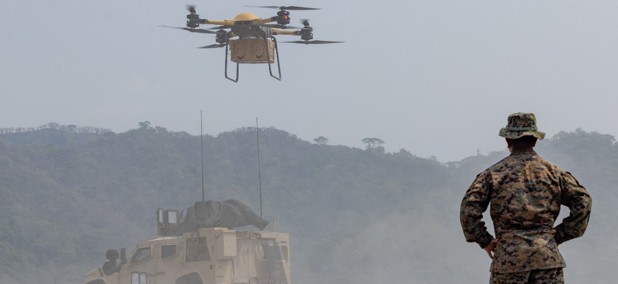
Three firms will vie for Marines' $249M loitering-munitions buy
The Organic Precision Fires-Light contract aims to get the weapons to infantry units by 2027.


Space Force outlines vision for hybrid military-commercial-allied mission architectures
New strategy offers guidance on what the USSF wants to buy, but not how much it plans to spend.


New spy-satellite constellation begins launch next month
Seven operational satellites are planned this year, and more through 2028, a senior NRO leader said.


Drones, maps, and storm-tracking in the Pacific
The National Oceanic and Atmospheric Administration is working with partner nations in the Indo-Pacific to map the region as part of the Biden administration’s push for security.


The Navy wants to make info-warfare training ubiquitous
The plan is to open three new training centers and integrate nearly two dozen systems into the live, virtual, constructive training environment.


The Pentagon wants to help boost cybersecurity for small contractors
A new strategy outlines how the Defense Department plans to increase security and strengthen relationships across the industrial base.
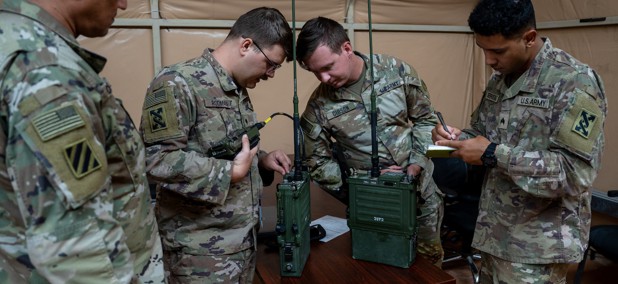
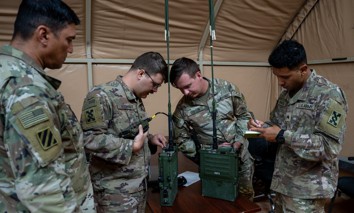
Preparing for electronic warfare is the Army’s top cyber priority in 2024
Troops could have a backpack capability in the next six months—as long as Congress passes a budget.


Sprouts of promise bud in NATO’s tech incubator
Hopeful seedlings include improvements in energy resilience and storage.


Does TikTok need a new parent company? Senator mulls implications
The White House is pushing the Senate to pass a TikTok ban bill that swept through the House last week.
Featured eBooks